A Documentary Feature Film
14th
Synopsis
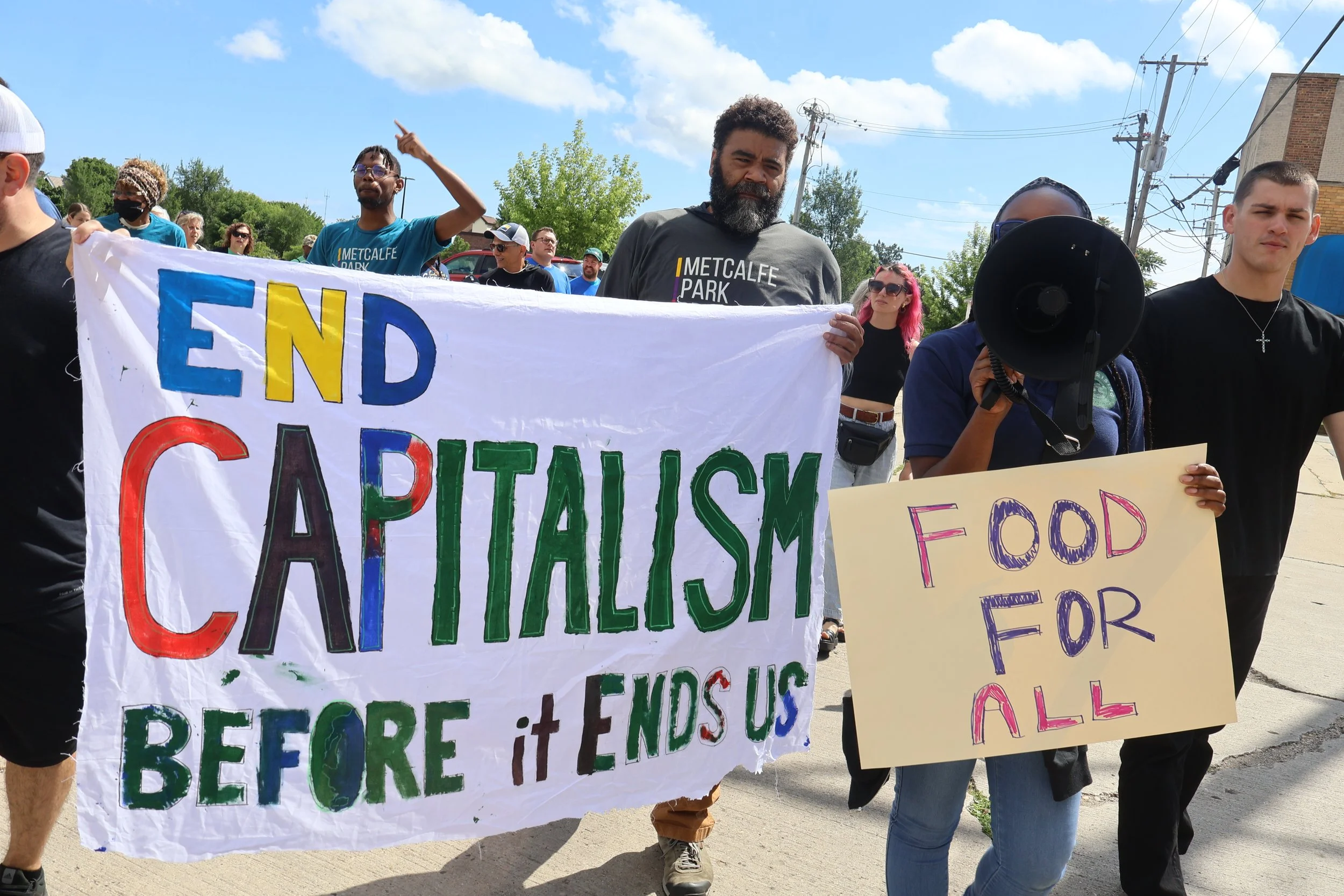
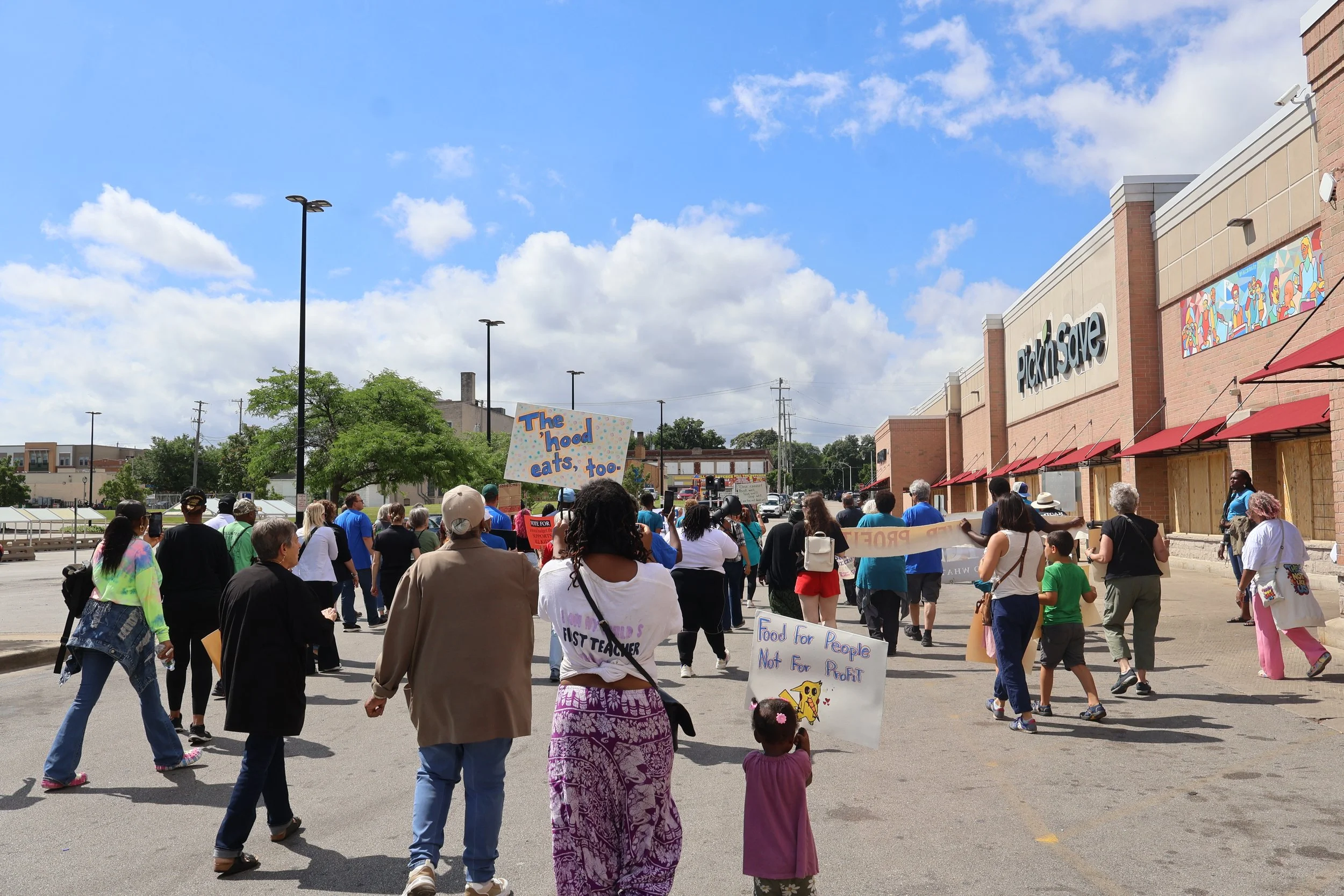
When Metcalfe Park’s only grocery store abruptly closes, the majority-Black Milwaukee neighborhood is left without reliable access to food and forced to confront the consequences of decades of segregation and disinvestment, becoming the city’s 14th food desert. The film follows Metcalfe Park neighbors, families, and local officials as they organize in a grassroots fight against hunger. Told through an intimate, vérité lens, the project not only captures a community struggling to survive, but also collective resilience as residents work to claim lasting control over its food system and future.
Themes
Structural Racism and Historical Disinvestment
The film emphasizes that food apartheid in Milwaukee, especially in Metcalfe Park, is not accidental but rooted in systemic racism. Practices like redlining, discriminatory lending, and urban renewal created long-term patterns of inequality that still shape access to resources today.
Lived Experience vs. Statistical Reality
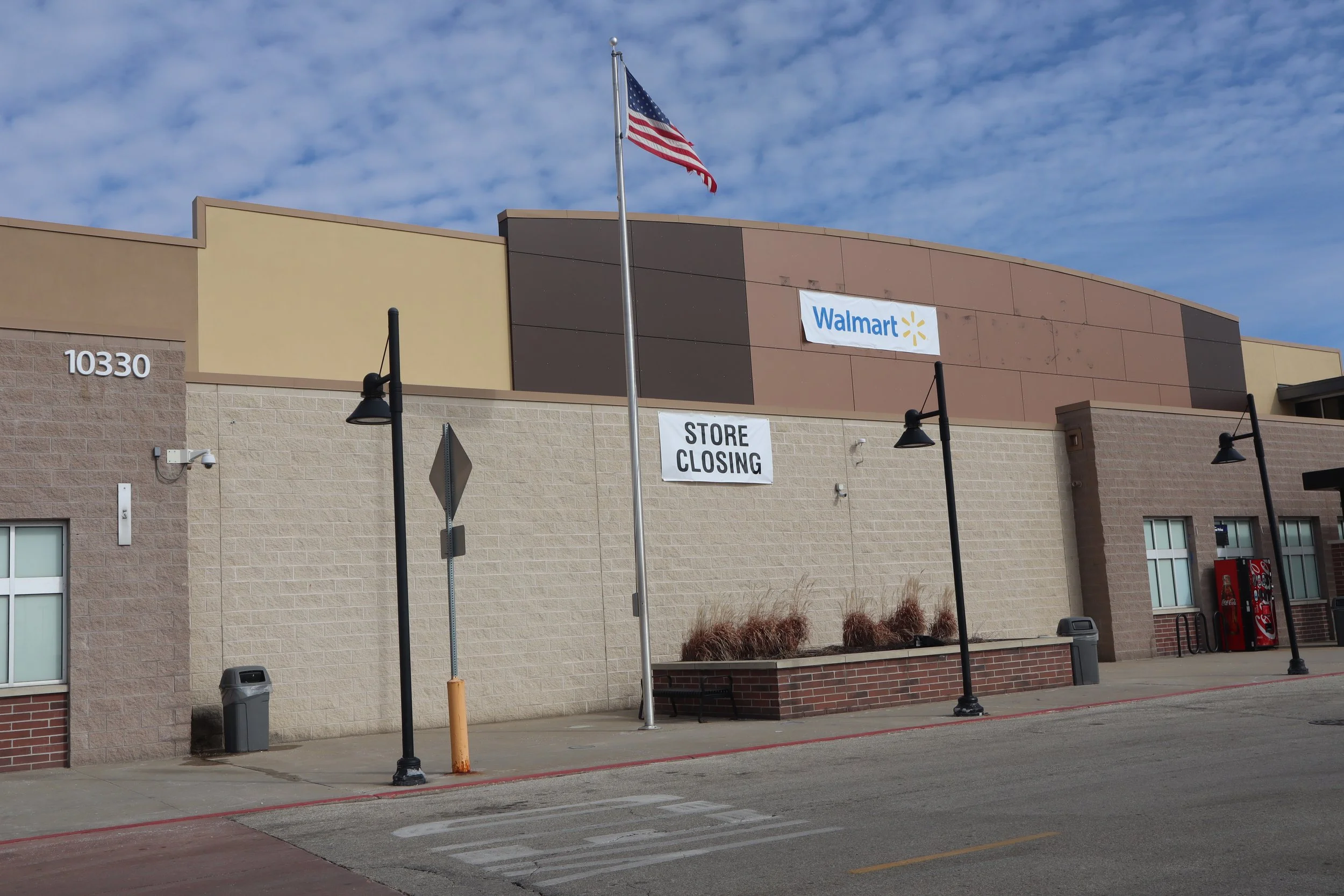
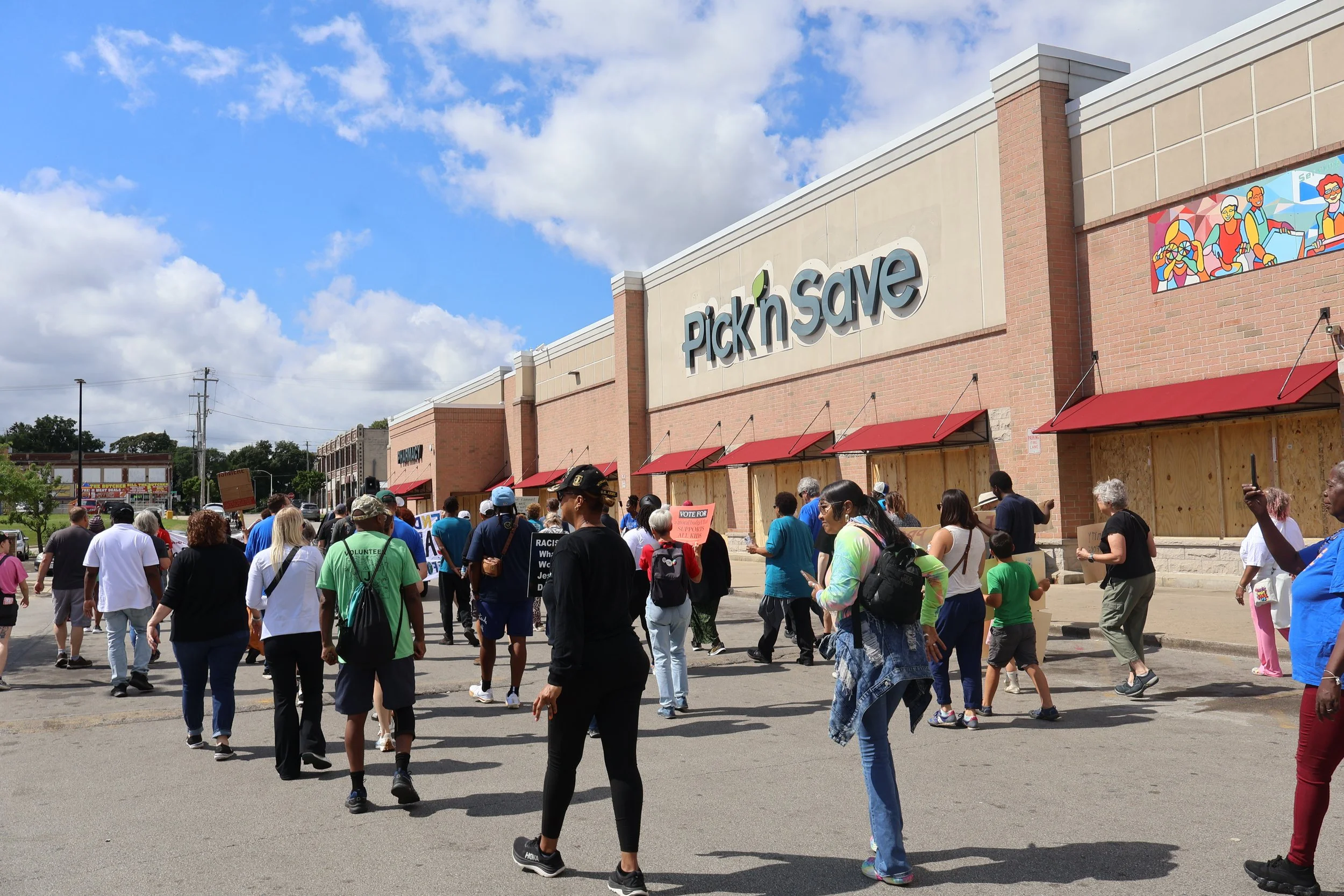
A central theme is the gap between what data suggests and what residents actually endure. Even when Metcalfe Park technically had a grocery store, residents still faced poor-quality food, surveillance, and limited healthy options—demonstrating that access on paper does not equal real access.
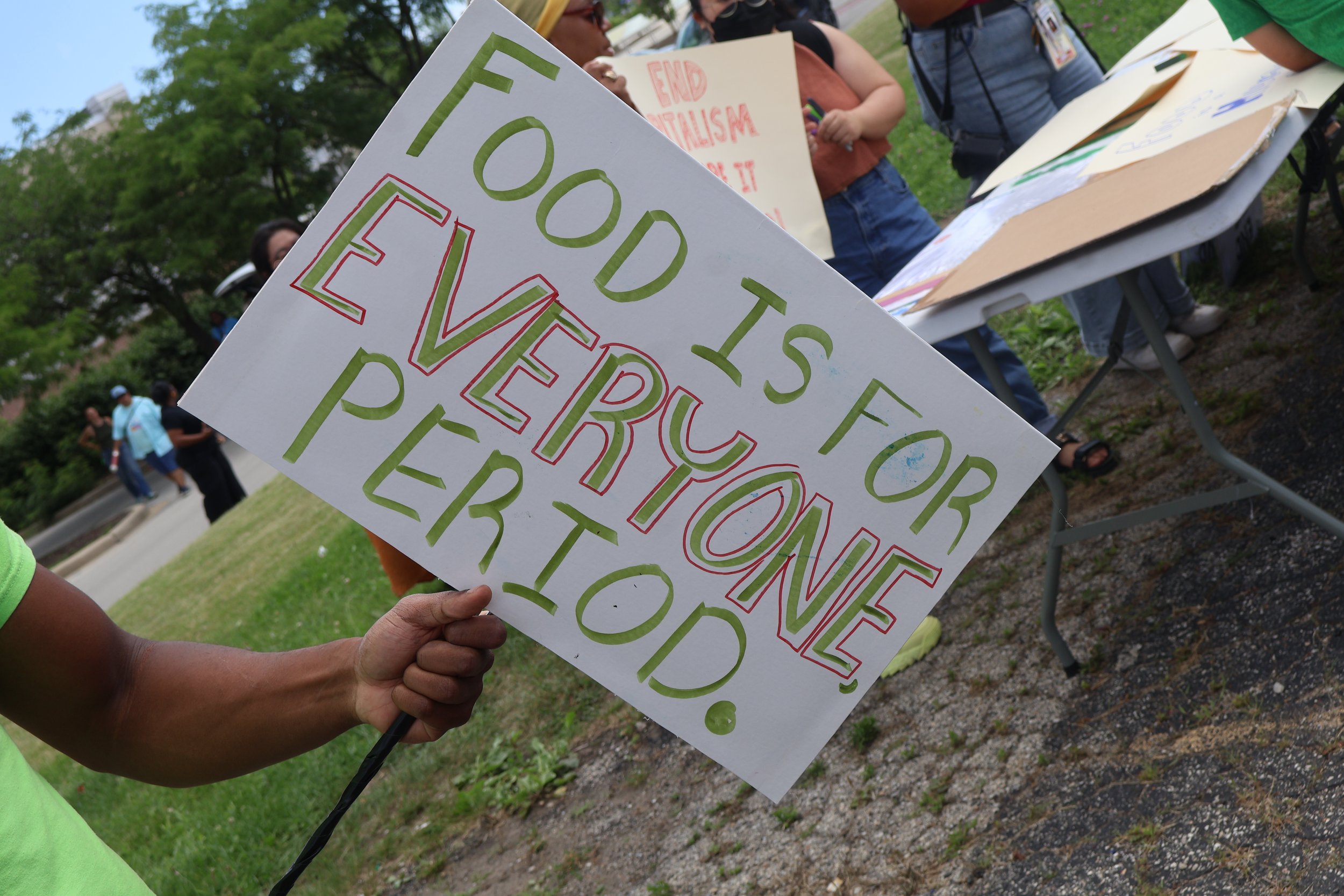
Limitations of Government Definitions and Metrics
14th critiques federal frameworks like the USDA’s “food desert” classification for reducing food access to distance alone. The documentary shows how these definitions ignore lived realities such as food quality, affordability, and dignity revealing a disconnect between policy and experience.
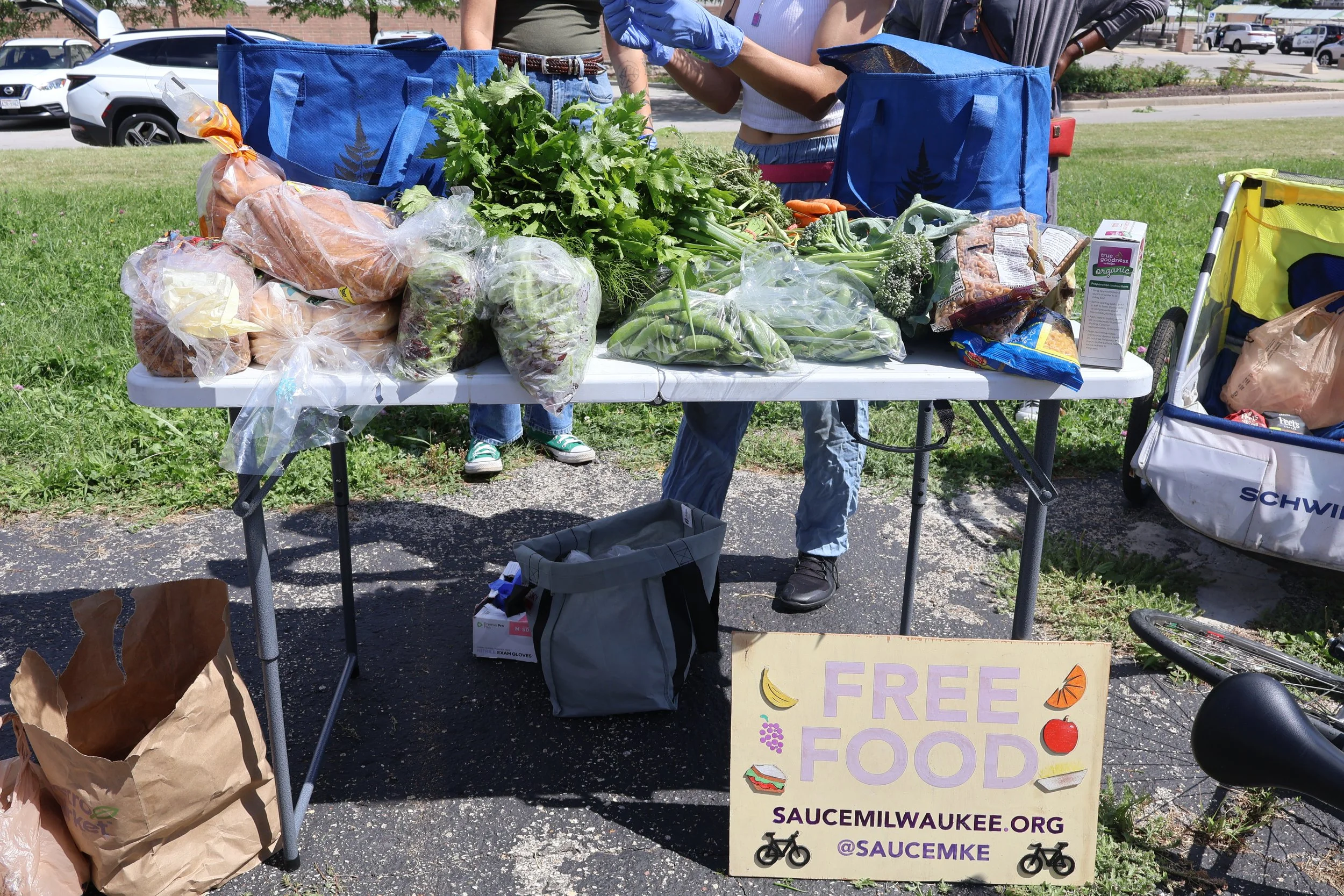
Community Resilience and Self-Determination
Despite systemic neglect, the film highlights how residents respond with collective action—organizing carpools, creating food pantries, and advocating for policy change. This underscores a powerful theme of grassroots resilience and the pursuit of food justice on their own terms.